
Seduction, via a Cookbook
Digging into some old gems, both serious (!!) and playful.

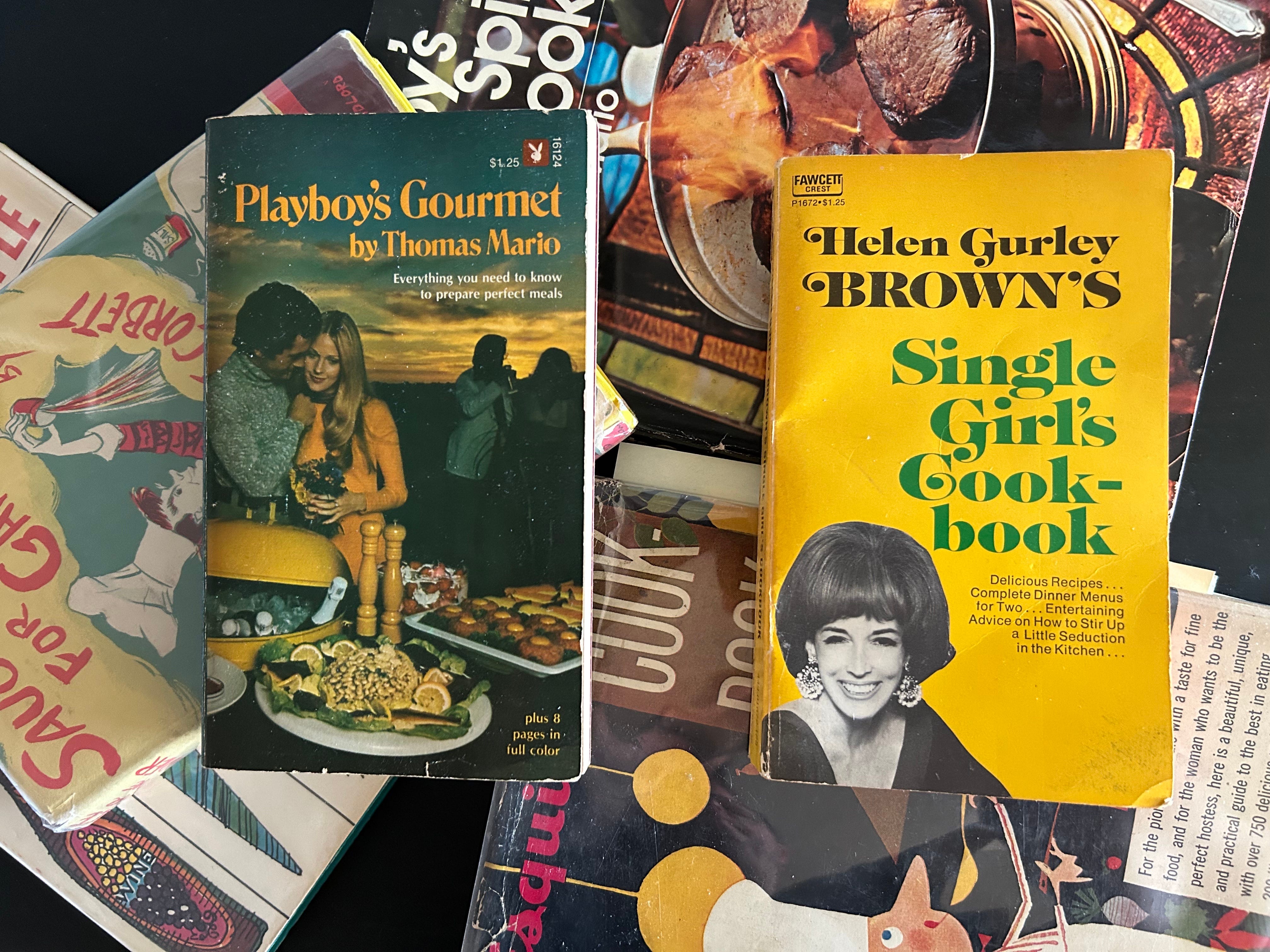
What are cookbooks for? To teach you how to make things to eat, sure. But also to draw you into a particular point of view. In some cases, that view is grounded in realistic, specific practicality—vegan air-fryer recipes, say, or chocolate desserts, or weeknight suppers for families. The proposition is clear, and those cookbooks offer ideas, techniques, and recipes that promise utility. They are instruction books.
In other cases, cookbooks aren’t just about cooking, but instead are avatars for an entire way of living. They are created to express imagined ideals, to indulge fantasies, or to converse with a particular identifiable identity. They are a lot like fashion magazines, or home design television shows. Look here, they say. Don’t you want your dinner, and your life, to look more like this? Editors call this “aspirational” in sales meetings.
Laurie Woolever is this week’s guest on Food with Mark Bittman. Listen here!
The 1960s and 1970s are an especially rich era for these kinds of lifestyle cookbooks, and it’s no surprise that many of the most successful weren’t launched by famous cooks or nutrition experts or specific culinary traditions (themes which dominate cookbook shelves today). Instead, these midcentury cookbooks were launched by magazines. And I don’t mean just the food or homemaking magazines—your Gourmets, your Good Housekeepings. I’m talking about magazines hardly known for their culinary exploits, if at all—your Cosmopolitans, your Playboys.
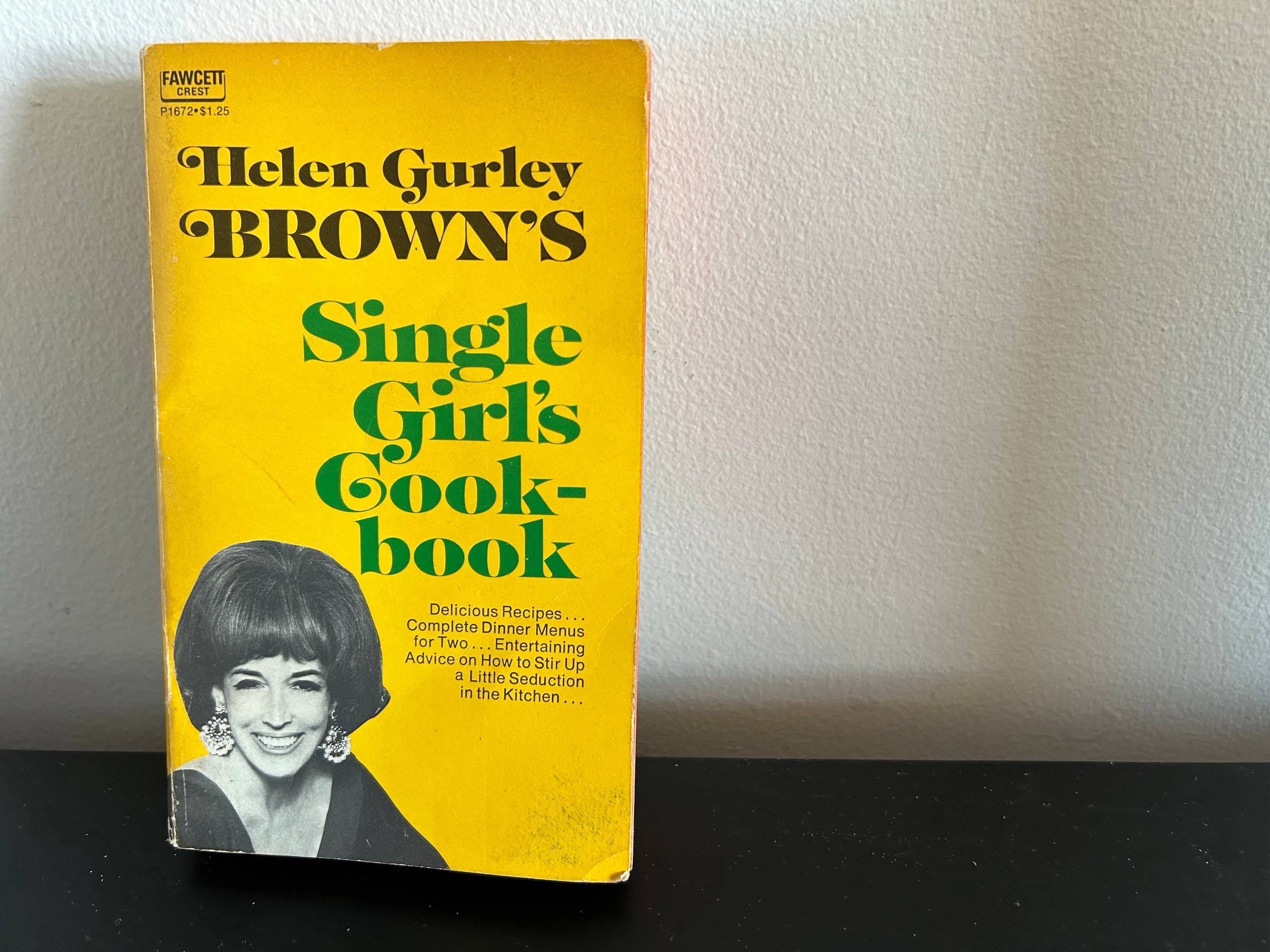
Take, for instance, Helen Gurley Brown’s Single Girl’s Cookbook (1969) by the legendary editor of Cosmopolitan. Gurley Brown’s Cosmo, which she ran for over thirty years starting in the mid-1960s, was never about food. Cosmo was about hot new swimsuits, hot new Hollywood hunks, and hot new tips on how to drive your man wild in bed—bolstered by the occasional (and incongruous) essay by Norman Mailer or Margaret Mead. If Cosmo addressed food, it was almost always about how to eat less, not more. Just read the magazine coverlines, if you can see past Christie Brinkley’s cleavage in a Norma Kamali maillot: “Thin Celebrities Tell Their Most Effective Crash Diets,” “Get Thin, Stay Thin,” and “Legs are Back—and Gaining on Bosoms!”
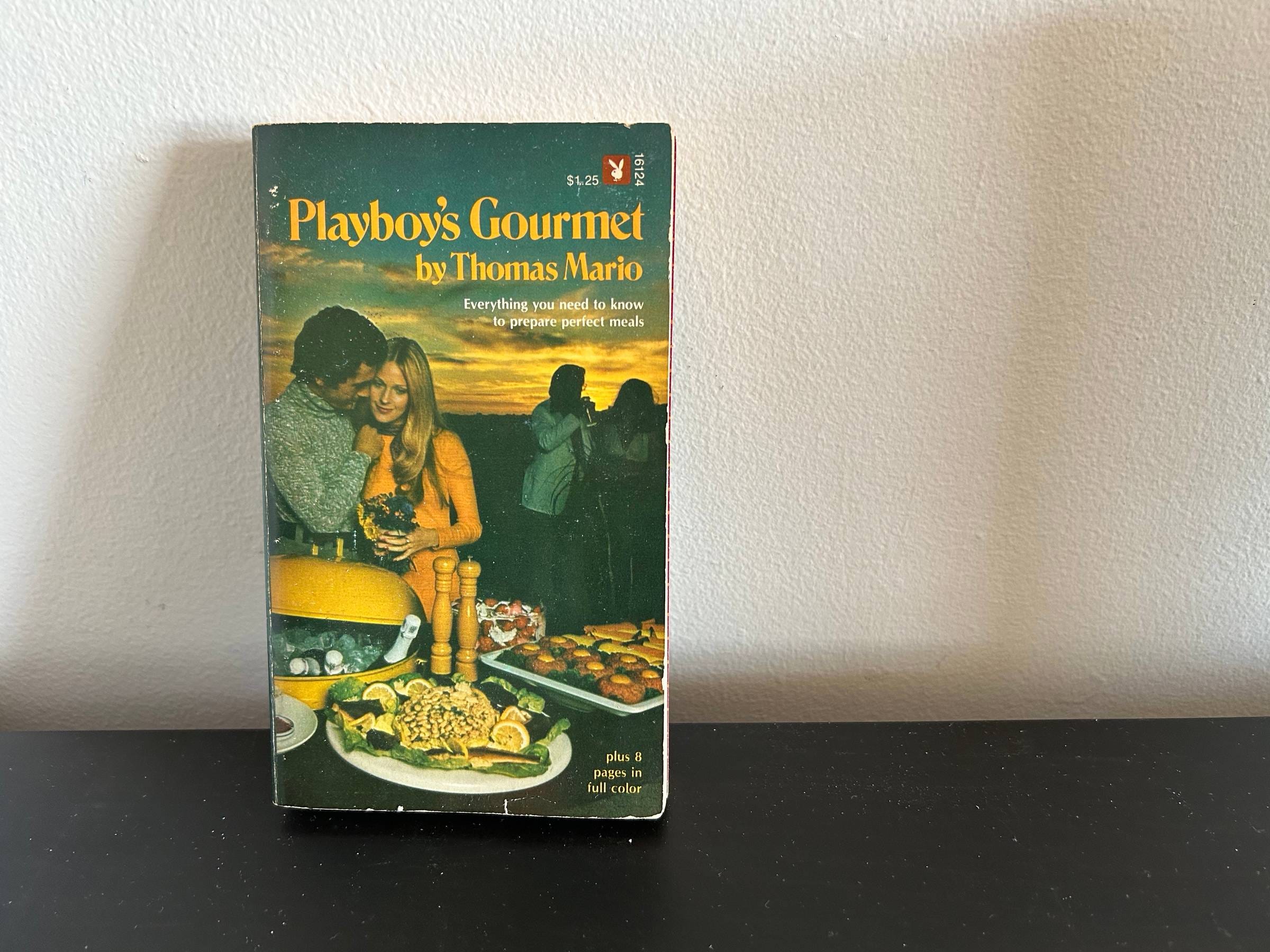
If Cosmo’s planet is Venus, Playboy’s is Mars, and Playboy’s Gourmet (1971) is the cookbook of record. Its credited author is Thomas Mario, the magazine’s food editor, but the project bears the distinct imprint of the pajama-clad louche in charge, Hugh Hefner. Hefner’s vision—grounded of course in lavish photographs of “playmates” (oy) but extending also to nightclubs, books, music, and more—was 007-esque fantasies of luxury, connoisseurship, and sexual magnetism. Cartoonish? In many ways, yes. But slipped in amongst bare-breasted bombshells were Serious Contributors like Margaret Atwood and Haruki Marukami, and food coverage meant to help readers developed a Sophisticated Palate.
The common thread in these two cookbooks, sometimes overt and sometimes implied, is sex. Cooking for seduction, cooking for posturing, cooking for endurance, cooking for sensual pleasure. But only one is smart enough to treat the sex-and-food trope with the kind of humor that it deserves: Cosmo’s.

Continue reading this post for free, courtesy of The Bittman Project.
 | A guest post by
|