
No-Knead Bread, Flatbread Style
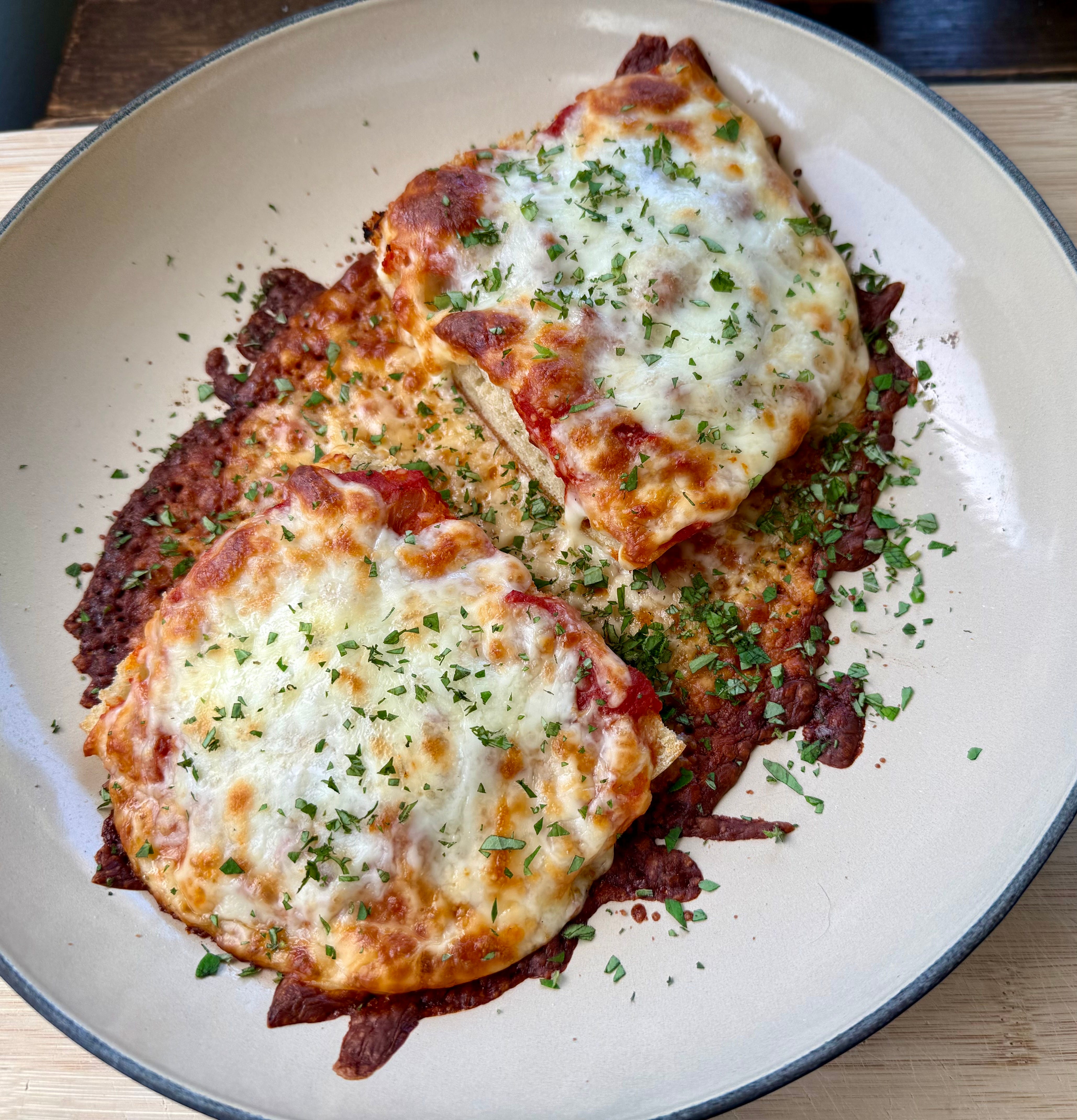
Then turn it into super-easy pizza, soup, or seasoned fresh bread crumbs.


As the years have gone by, I’ve come to appreciate Bob’s Red Mill more and more for many reasons, but especially these two: One, they’re getting what were once difficult-to-find whole grains, legumes, and other ingredients (chia seeds, for example), into mainstream American markets. The other has been their willingness to respond to trends in food and to create or find new and innovative products, like well-performing gluten-free flours, high-protein oats, or chickpea flour.
Because we’re committed to transparency, we wanted to let you know that we’re getting compensated to promote Bob’s. We try to be thoughtful about how we make money, and so we only partner with brands and organizations that we know well and believe in. Bob’s is one of those, and we’re glad to have reasons to promote them.
For 2026, we’ll be doing several posts and videos that feature “Bob’s By the Batch,” where you'll cook one basic recipe and spin it three different ways. In case you missed it, check out our first installment about toasted oats. – mb
Long before fibermaxxing was a media buzzword, we were advocates for a diet rich in fruits, vegetables, and whole grains — all the foods naturally high in fiber. (This doesn’t mean that white flour is our enemy; we just consider it a treat to enjoy in desserts and to nibble from the occasional breadbasket.)
Recently the new Bob’s Red Mill all-purpose high fiber flour caught our attention. While regular white flour typically has 1 gram of fiber per serving, this flour has 6 grams, which translates to 21% of the government’s recommended daily intake of fiber. It can be milled to the same consistency as white flour with a slightly golden color, making it ideal for substituting in all kinds of recipes. It’s free of starches or other additives. The types of fiber in this flour (more about them in the fibermaxxing link above) can also promote better gut health and overall digestion and can be a good start to gradually increasing the amount of fiber in your diet.
Since everyone loves Mark’s No-Knead Bread, we set out to develop an easy flatbread version that put high fiber flour through some “Bob’s By The Batch” paces.
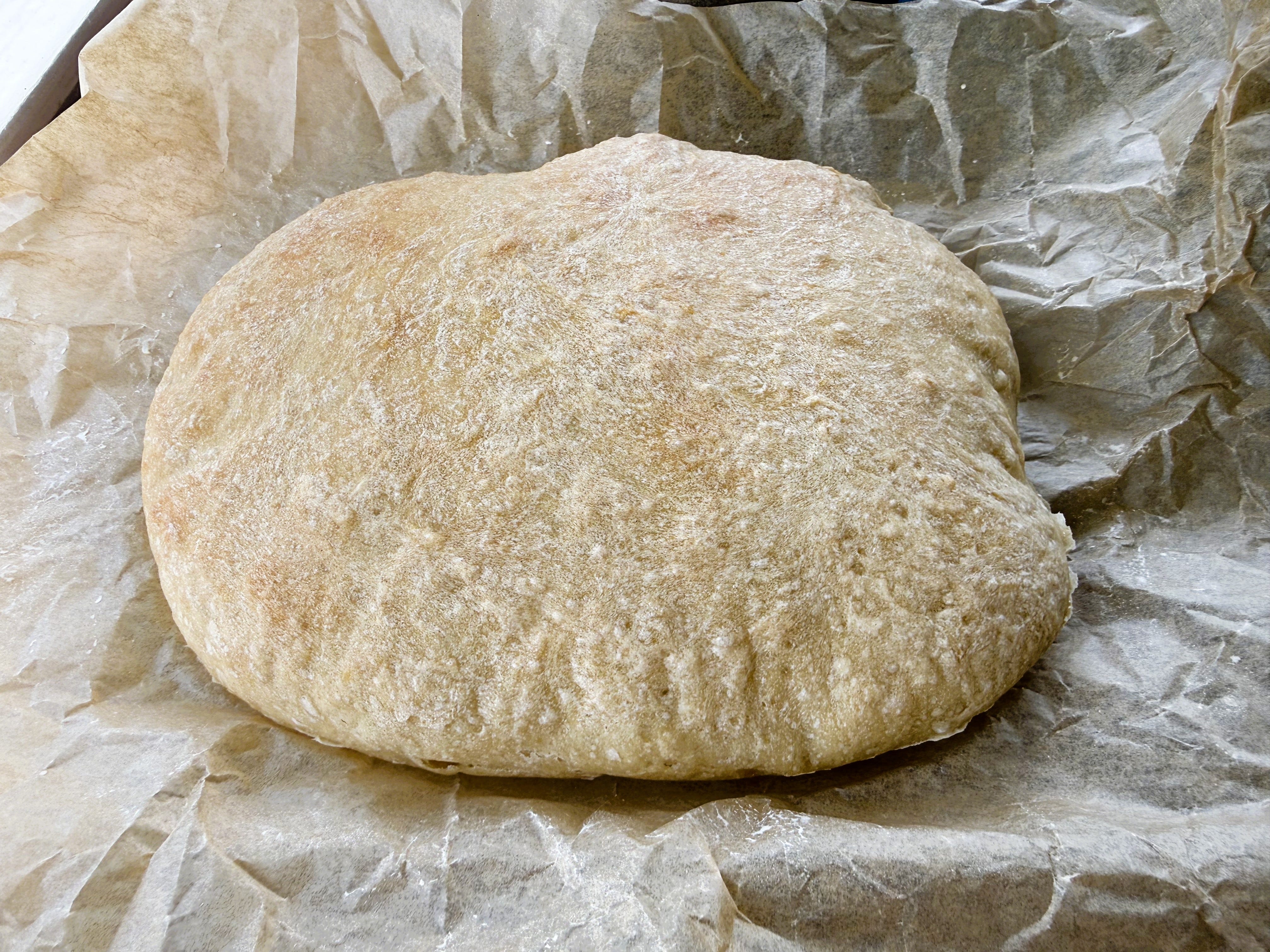
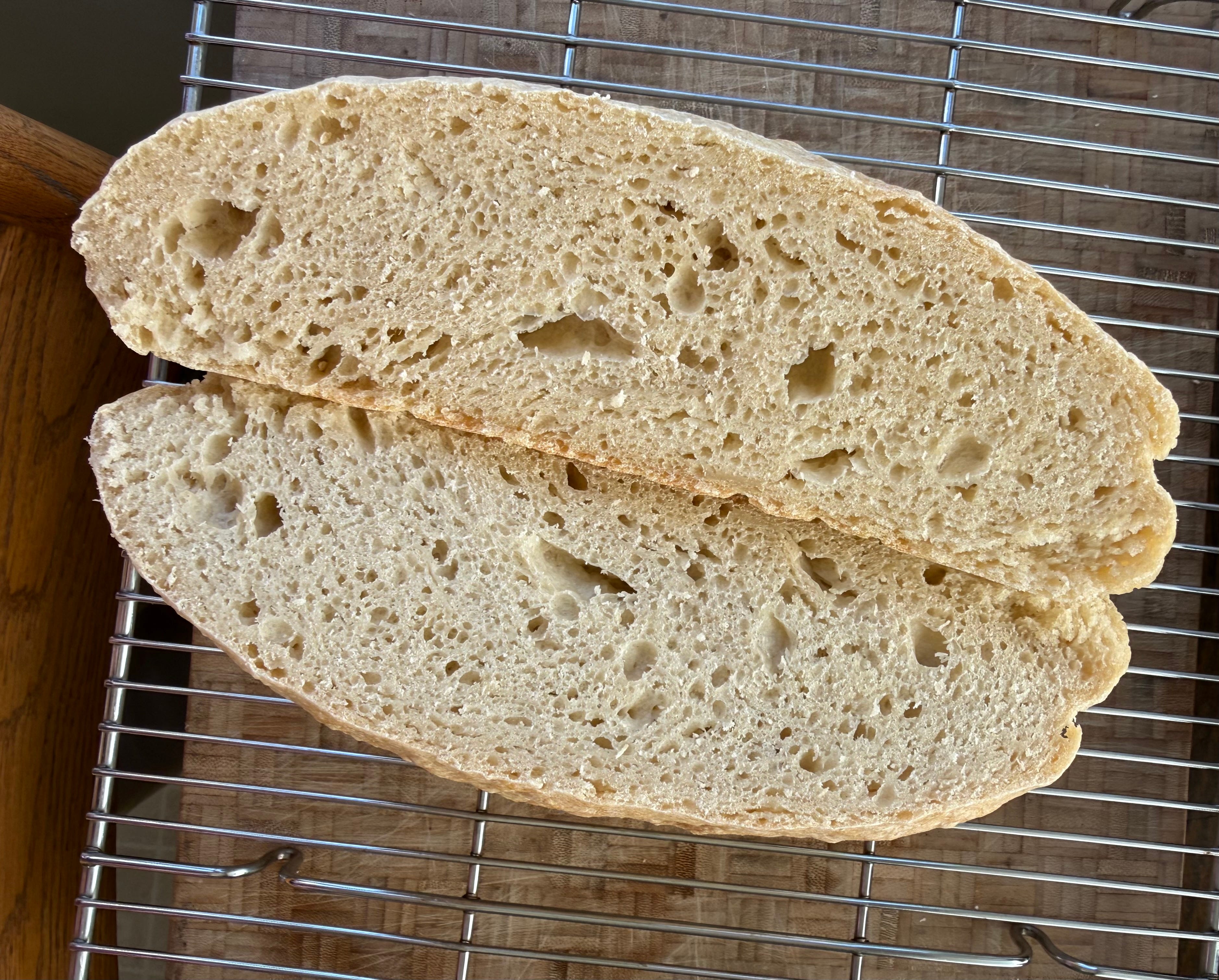
Start with the slowly fermented, hands-off flatbread, which is a lot like a ciabatta, the popular Italian “slipper” loaf. Then — assuming you don’t eat the whole thing with dinner tonight — check out the three recipes that spin the bread into something else: Detroit-style pizza, the fastest homemade soup ever, and fried and seasoned bread crumbs.
Mark’s No-Knead Flatbread
Makes: 1 large loaf (about 6 servings)
Time: 13 to 19 hours (almost entirely unattended)
My bread baking has evolved into all sorts of pleasant surprises since Jim Lahey and I worked together 20 years ago on No-Knead Bread. The same innovative technique informs this yeasted flatbread. All that’s required are four ingredients, plus the time and patience to sit back and do nothing — rather than work.
This recipe features Bob’s Red Mill high fiber flour. If you want to substitute all-purpose flour, cut the water back to 1 1/4 cups and add more as needed until you get the dough texture described here. Then enjoy the ciabatta-like flatbread in slices or hunks or use it for Detroit-Style Pizza by the Slice; Boiled Water Soup with Flatbread, Vegetables, and Parmesan; or Crunchy Seasoned Breadcrumbs, with (or without) Steamed Vegetables. One batch of flatbread is enough for 2 servings of each. But if you’re planning on extra for snacking or feeding a crowd, better make two loaves!
Ingredients
4 cups (470 grams) Bob’s Red Mill All-Purpose High Fiber Flour
1/2 teaspoon instant yeast
2 teaspoons salt
1 1/2 cups (340 grams) water, plus more as needed
Instructions
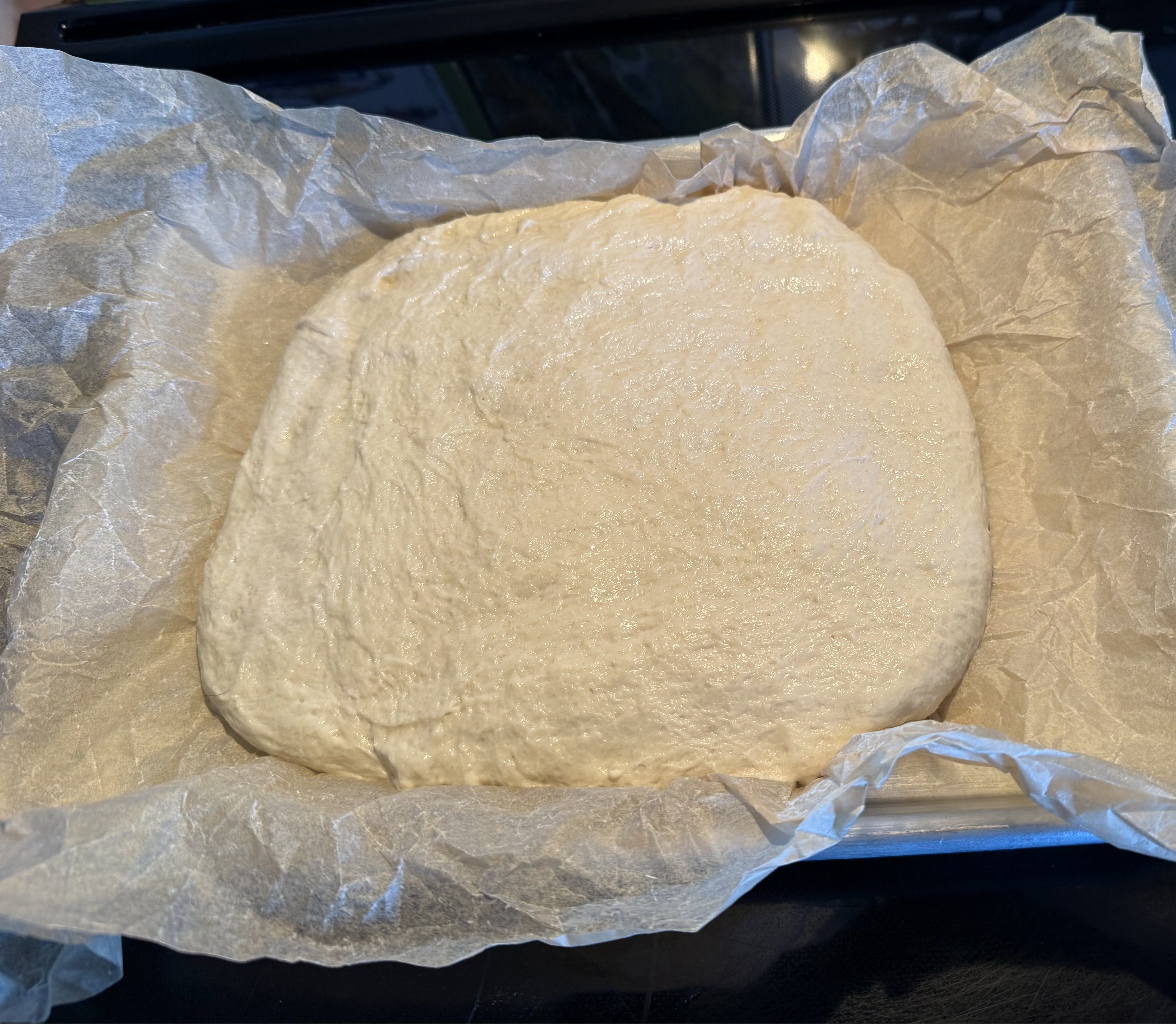
Combine the flour, yeast, and salt in a large bowl. Add the water and stir with a soft spatula until combined; the dough should come together into a shaggy, slightly sticky ball. If some flour remains in the bowl, stir in water 1 tablespoon at a time until it’s all absorbed, careful not to make the dough sticky or lose shape. Cover the top of the bowl tightly and let the dough rest for at least 12 and up to 18 hours at room temperature. (The bread will become a little more flavorful and chewy with the extra time, but it’s not crucial.) The dough is ready when it spreads in the bowl and is dotted with bubbles.
When you’re ready to bake, line a 9- x 13-inch metal baking sheet or baking pan with parchment and make sure there’s a rack positioned in the center of the oven. Don’t heat the oven yet.
Use a soft spatula to collapse the dough in the bowl by scooping around the edges and folding the dough on itself a couple times to form an oblong ball. Turn the dough into the center of the prepared pan and add an inch or so of water to the mixing bowl. Dip your hands (or the soft spatula) in water and gently press down on the center of the dough to spread it in the pan. Only wet your hands (or the spatula) when needed to prevent sticking. Be careful to press without pulling or stretching. Try to make the dough as even and square as possible with minimal handling; it’s okay if it won’t go all the way to the edges of the pan.
Transfer the pan to the middle rack in a cold oven and set the temperature to 350°F. Bake undisturbed for 35 minutes, then check. The bread is ready when it’s lightly browned and firm on top and an instant read thermometer registers 200° to 205°F. If it’s not quite ready, return the pan to the oven and check again in 5 minutes. Or for a darker crust, increase the oven to 450°F and carefully remove the flatbread from the paper to finish baking directly on the rack until it’s as crusty as you like, 5 to 10 minutes. Let cool on a wire rack before slicing.
– Recipe developed by The Bittman Project for Bob’s Red Mill
link to printable version
Detroit-Style Pizza by the Slice
